
Crystal Singing Bowl Sets
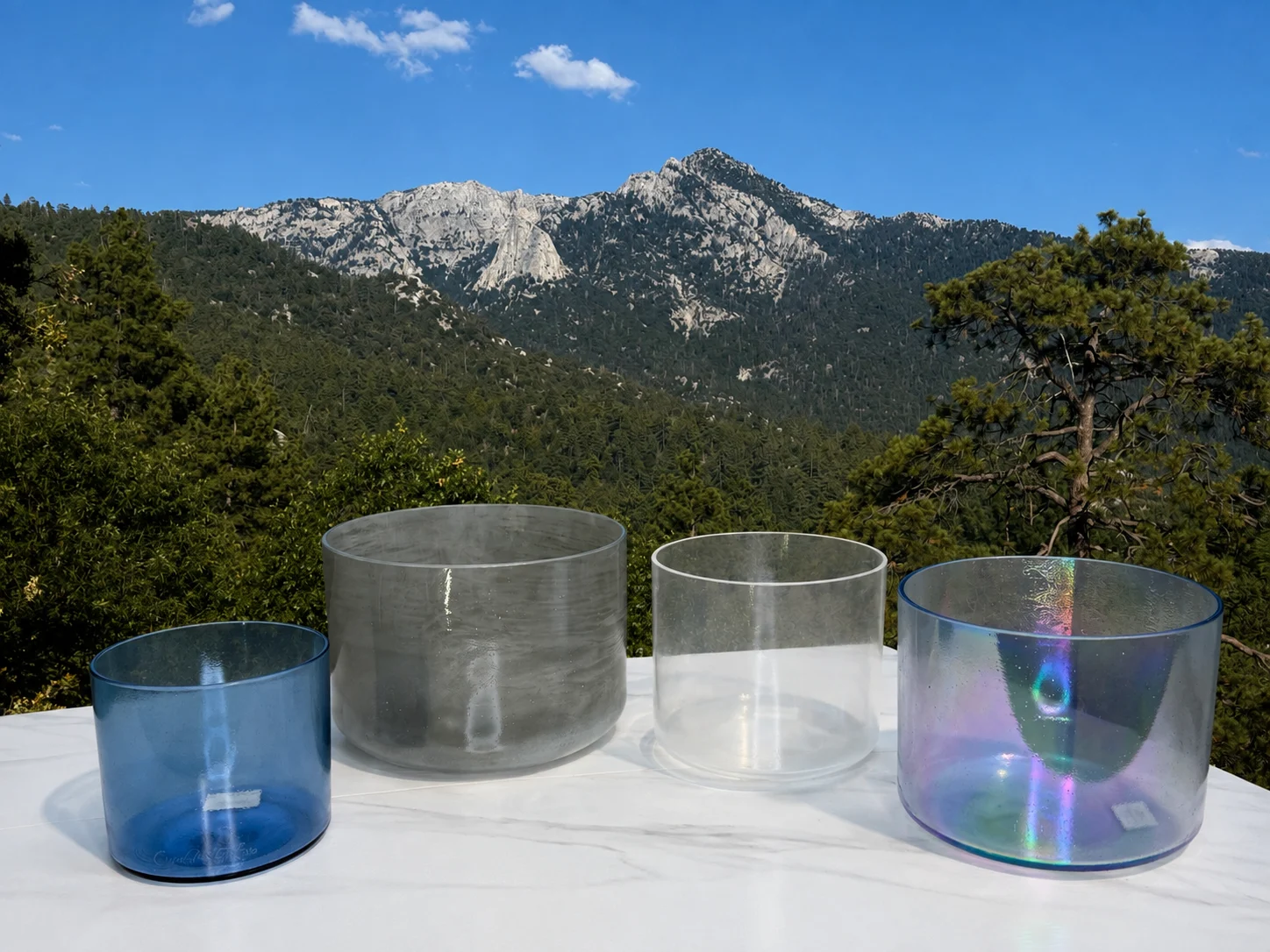
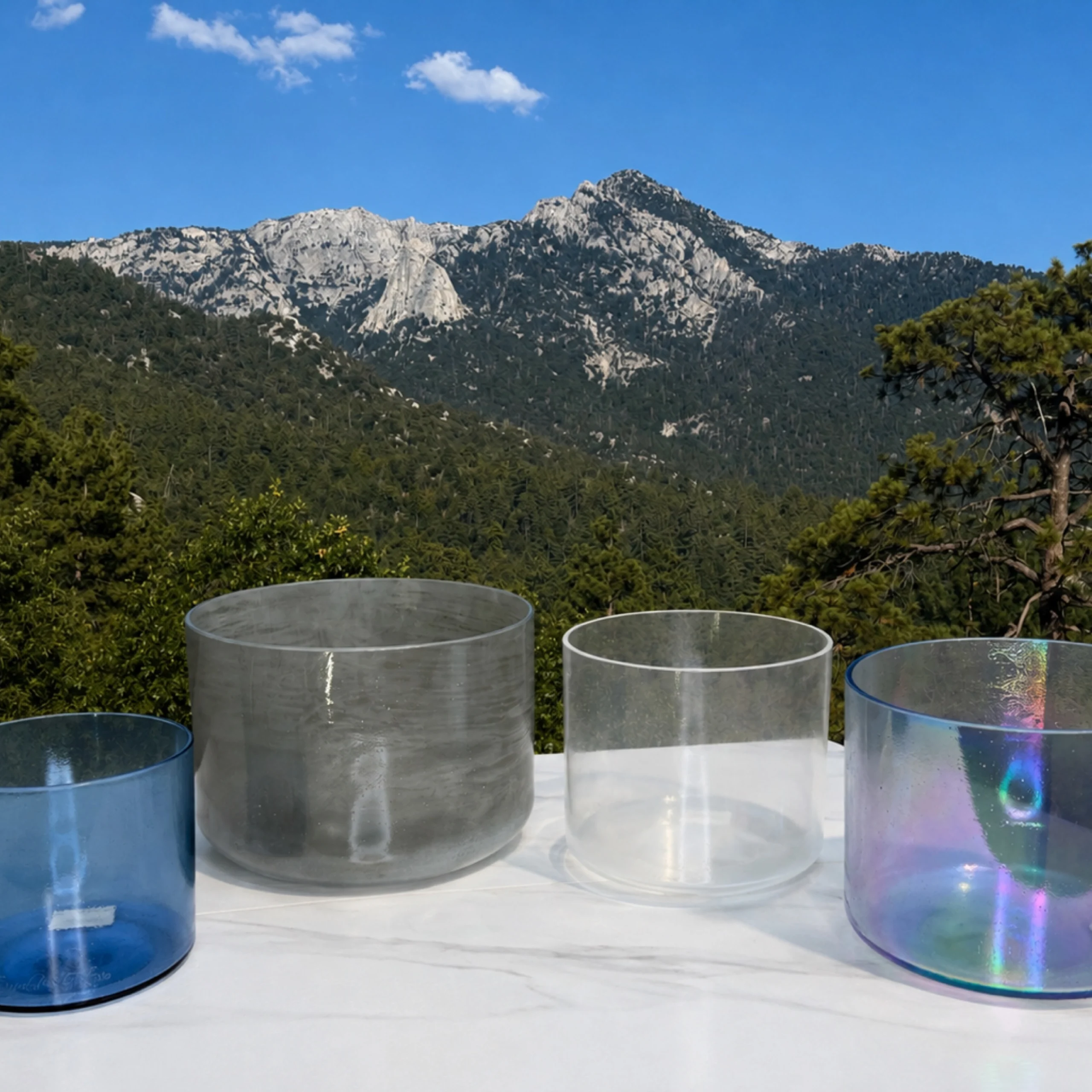
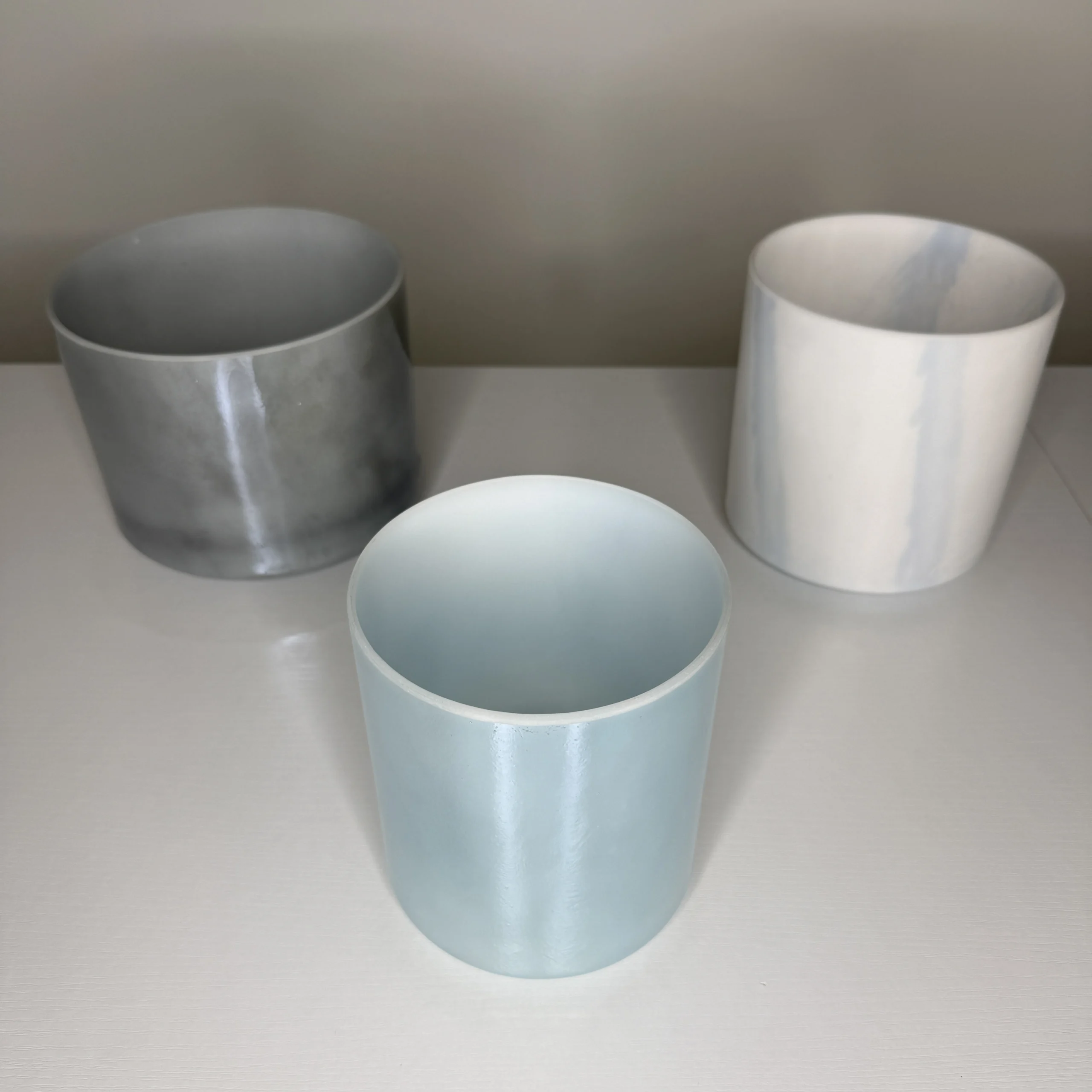
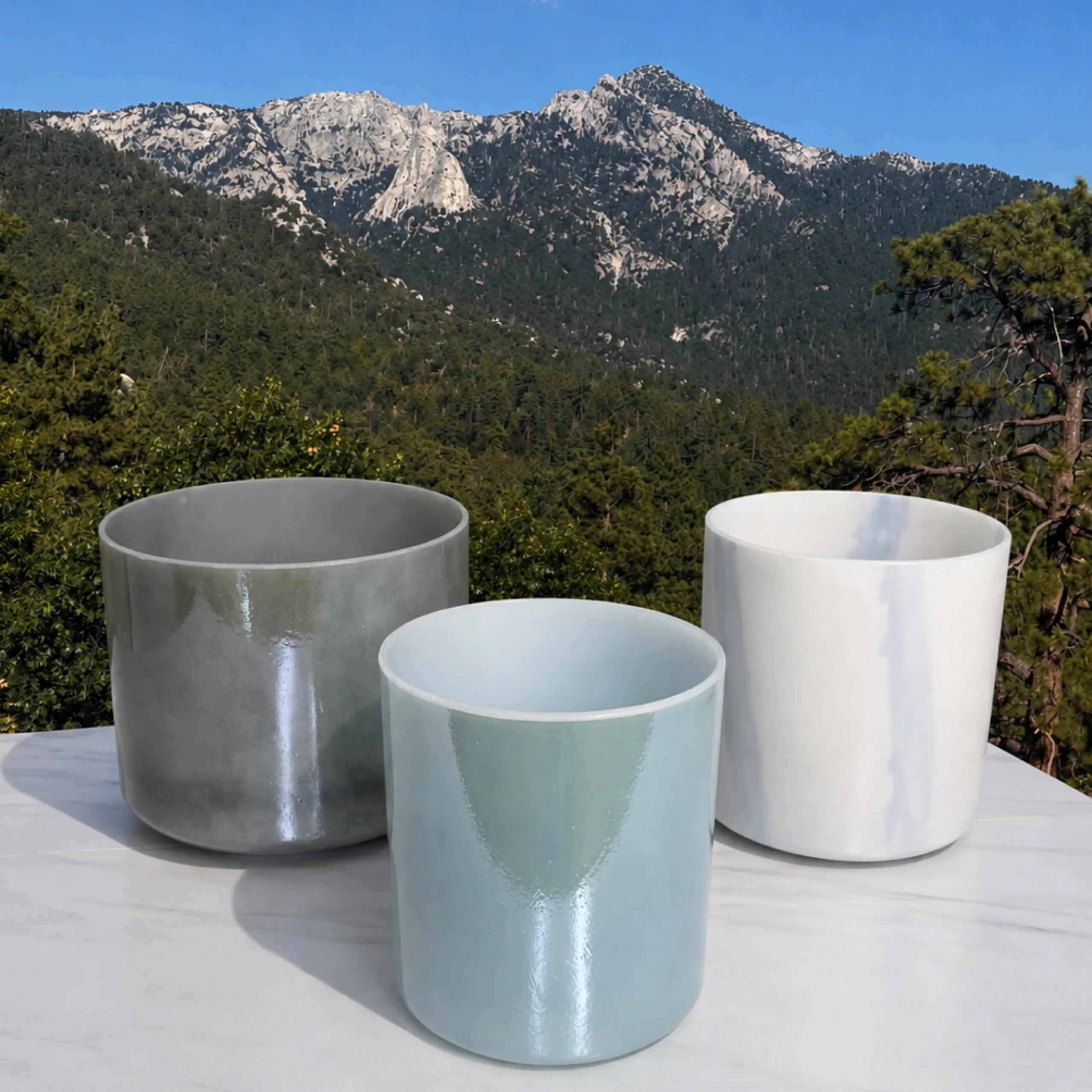
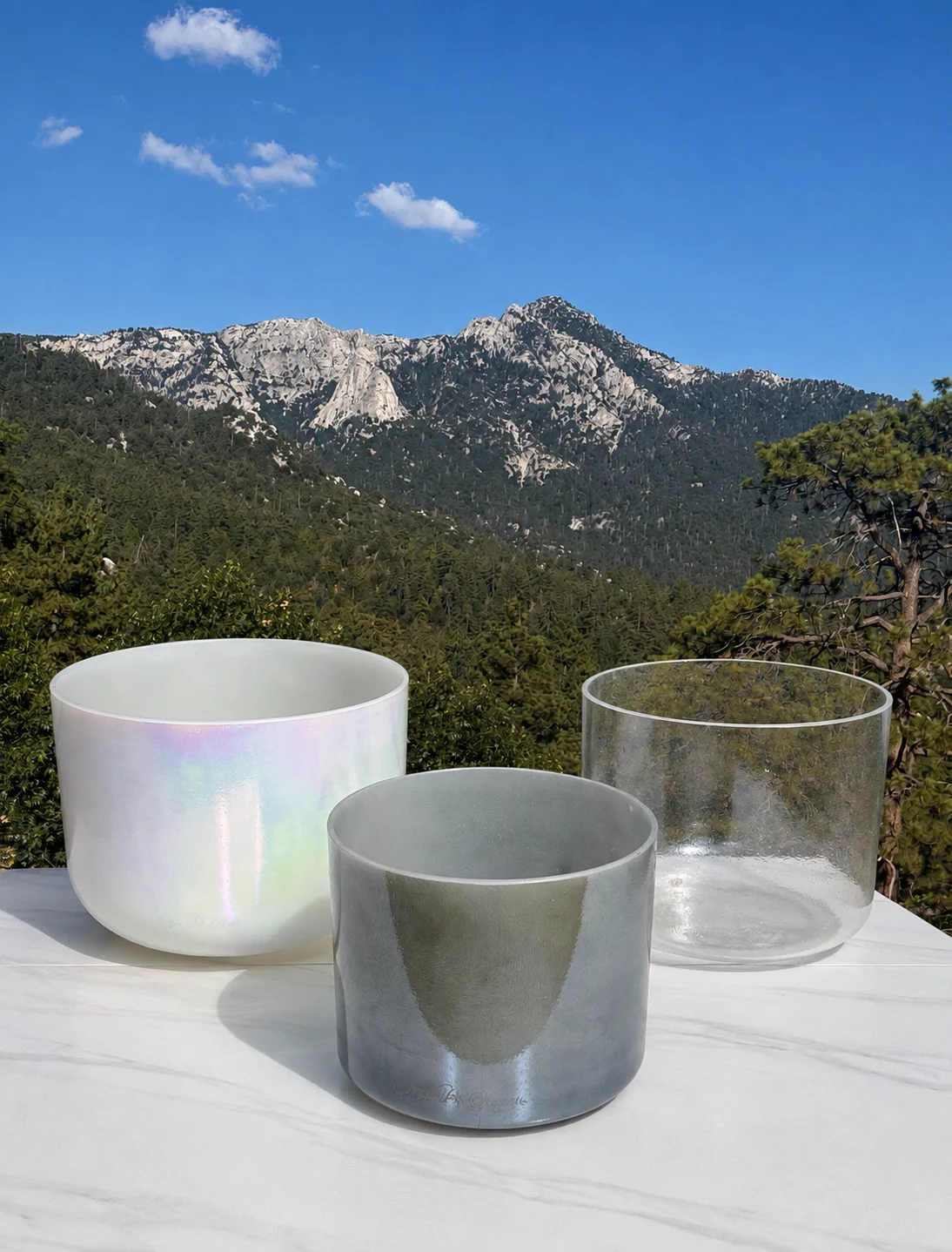
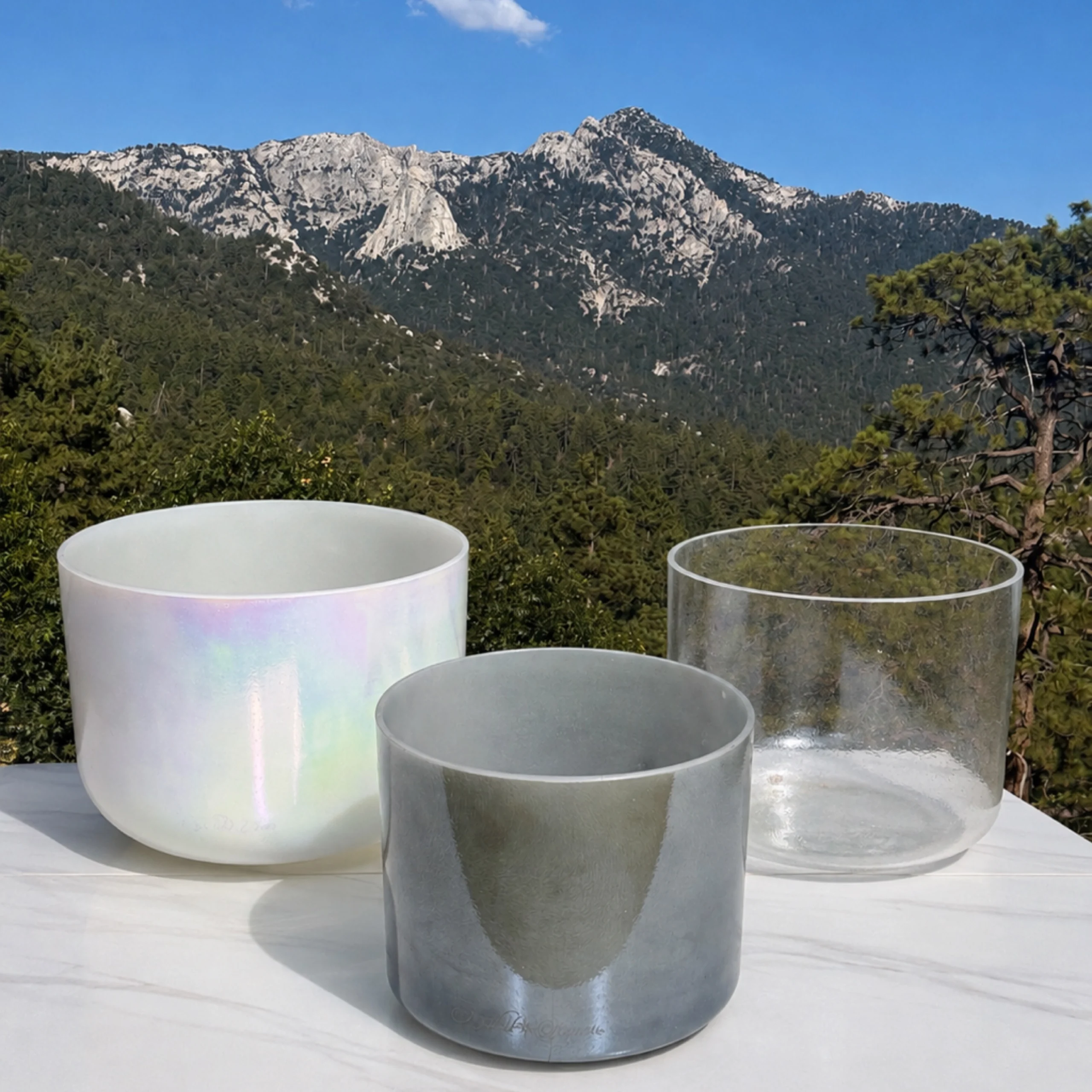
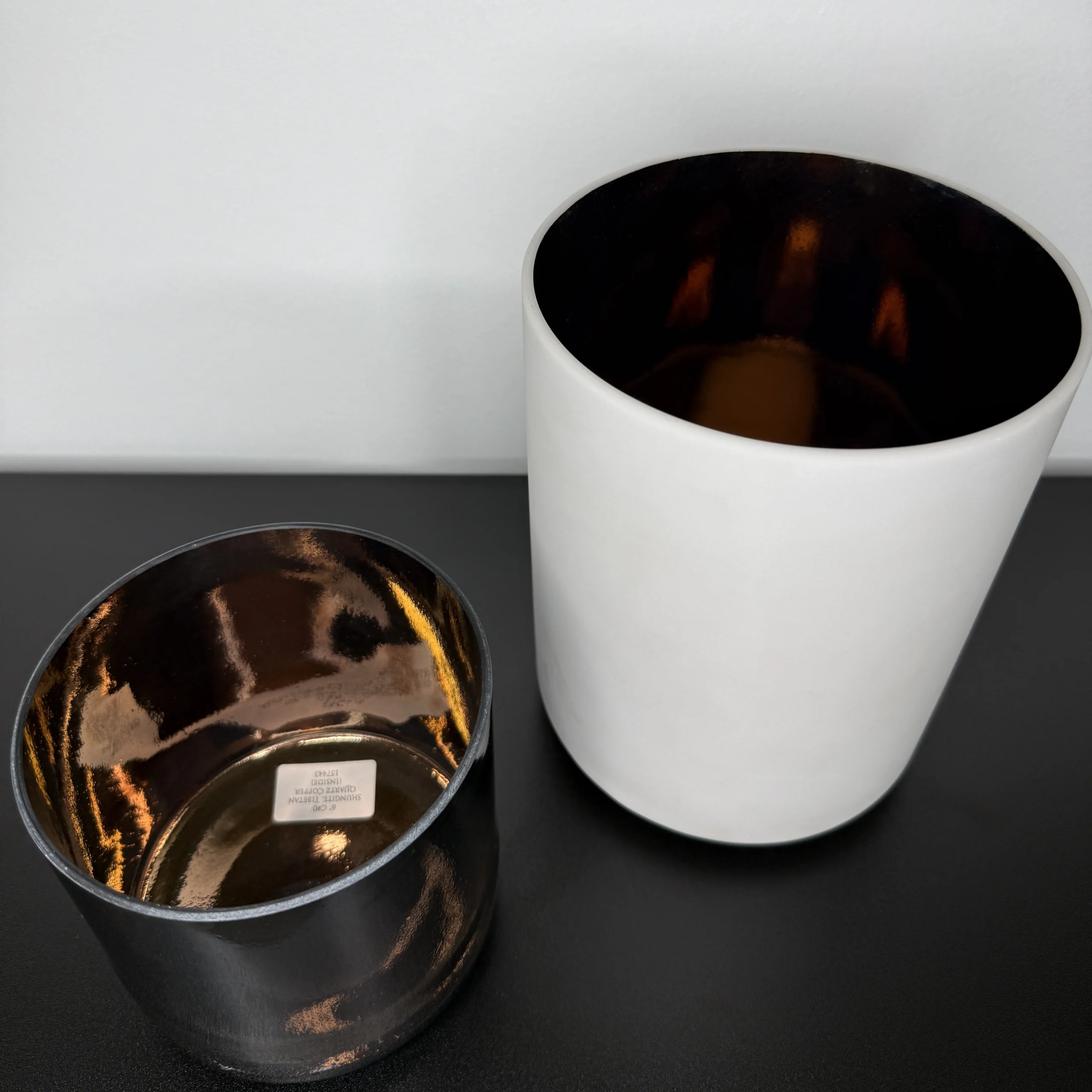
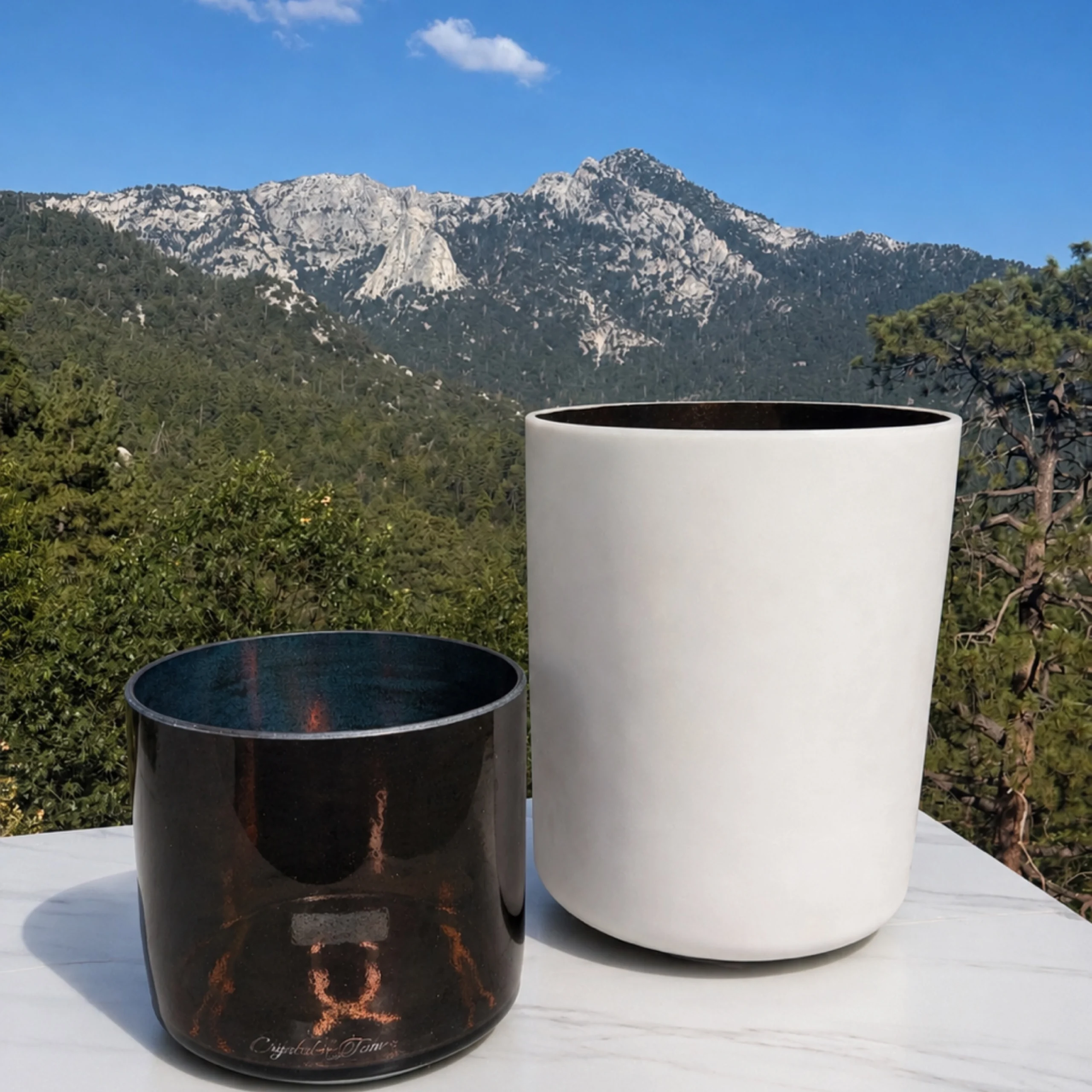
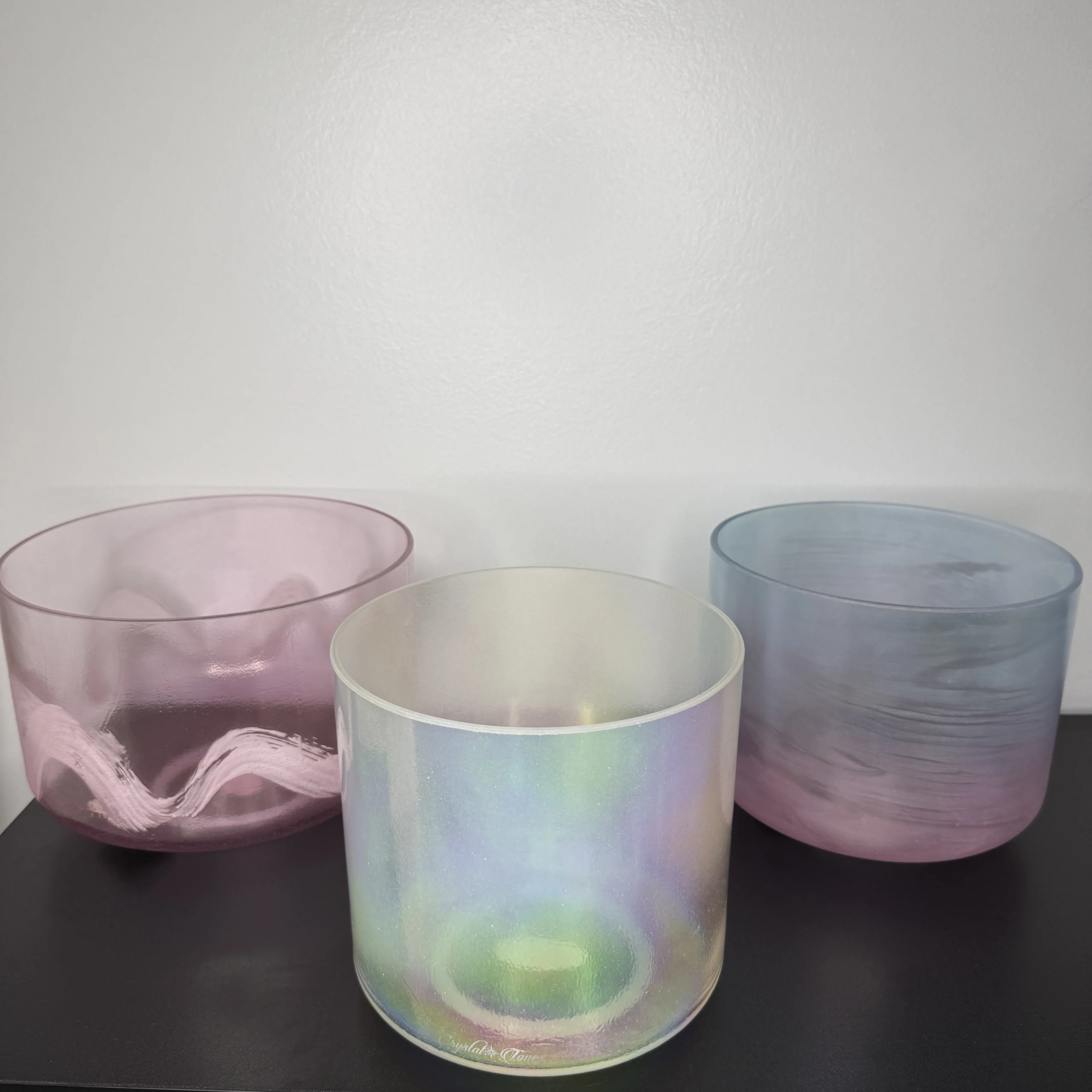
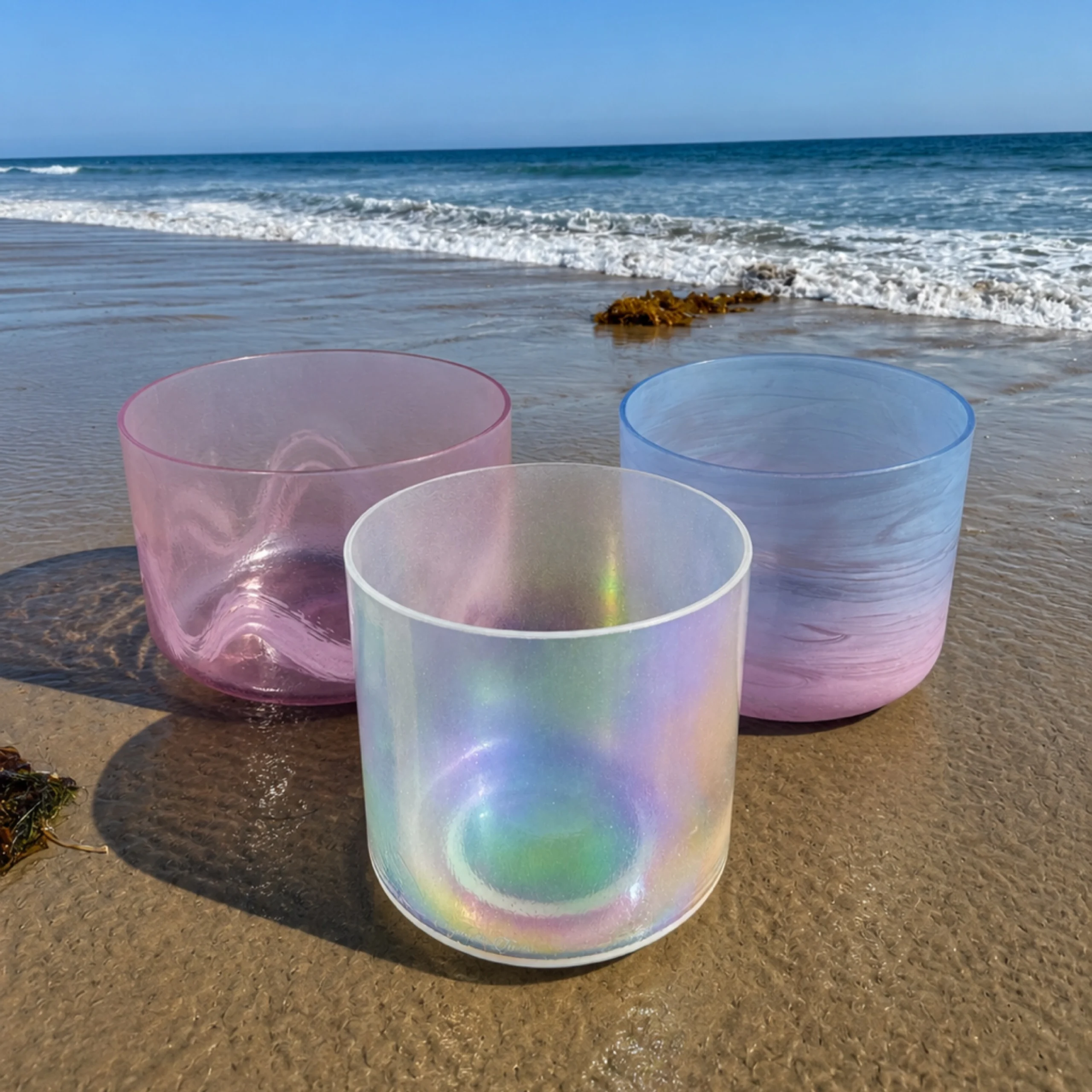
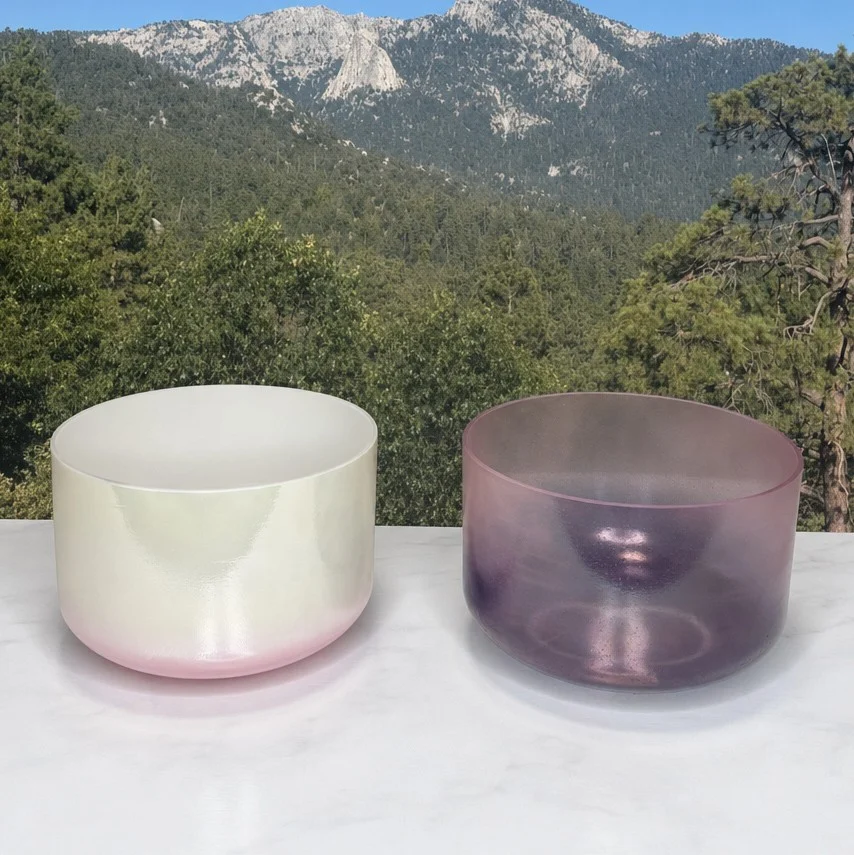
Every bowl in one of our harmonic sets is chosen for a reason. Our crystal singing bowl sets are hand-selected and matched by note, octave, and alchemy to work together as one instrument, not simply grouped by size. Browse our current collection below — from focused three-bowl combinations to complete seven-chakra sets, all curated rather than assembled.
Curious how we decide which bowls belong together, or which set fits your practice? See the FAQs beneath the collection for the full story on notes, chakras, octave, tuning, and finding the right set for you.




Frequently Asked Questions
Every singing bowl set should be approached on a case-by-case basis. No two practitioners, artists, or collectors have the same ear, intention, environment, or way of working with sound.
I encourage clients to begin with an open mind and explore the bowls together, either in person or by video. We consider what resonates with you, the chords and intervals you are drawn to, the size and portability of the bowls, and how you actually intend to use them.
The possibilities are nearly endless. You may eventually own several sets—for example, collections centered around 440 Hz, 432 Hz, or 528 Hz—and choose among them for different spaces, audiences, or intentions.
A set is also not something you must play in its entirety every time.
For this reason, I prefer to curate sets personally rather than prescribe a universal formula. The goal is to create a collection that is harmonious, versatile, and distinctly yours.
The right accessories are essential to both the care and performance of your singing bowls. I recommend a quality travel case for protection and transport, a fitted sweater cover to keep each bowl protected and free of dust, and a thoughtful selection of professional mallets. Different bowls—including frosted, Alchemy, and Super Grade bowls—respond best to different mallets, so having the proper array of tools allows each instrument to express its full range of tone and resonance. Accessories are an integral part of the investment and should never be an afterthought.
Choosing a singing bowl set is a personal process and not something we recommend rushing or overanalyzing. If possible, visit Divine Sound in person we have 2 bowl locations, where we can present several carefully curated combinations for you to experience. Most clients naturally gravitate toward a particular set—the sound, aesthetic, and energy simply resonate and they know what is meant for them.
From there, we can refine your selection around practical considerations such as budget, travel, nesting, size, notes, frequencies, and alchemies.
If you are shopping remotely, visit our Harmonic Sets page and take time to view each collection and listen carefully to its recording. A fine singing bowl set is an investment, not a random add-to-cart purchase. Give yourself time to listen, reflect, and return to the set that continues to resonate with you.
For clients who would like personal guidance, we offer private in-person and video consultations by appointment with a deposit. To provide a more thoughtful and attentive experience, we no longer offer set consultations by text message.
We offer both. At Divine Sound, we intuitively curate harmonic sets based on tone, frequency, size, alchemy, aesthetic, and how the bowls resonate together. These sets are thoughtfully assembled through years of experience, but they are never considered fixed.
If you love a set but wish to add, remove, or substitute a bowl, we can refine the collection while preserving its harmonic integrity. Every client is different, and each set can be tailored accordingly.
We can also build a custom set entirely from the ground up. For frosted singing bowls, we offer several established configurations, including five-bowl endocrine sets, available through our Crystal Tones partnership.
Ultimately, every set is approached individually, with expert guidance to create a collection that is both harmonically cohesive and uniquely suited to you.
432 Hz, 440 Hz, and 528 Hz are different ways of describing frequency and tuning relationships, at Crystal Tones these numbers are used at Categories to organize the bowls. In conventional musical tuning, 440 Hz is the standard reference for A4, while 432 Hz is an alternative reference preferred by some sound practitioners. An important distinction is that a “432 Hz set” does not mean every bowl produces exactly 432 Hz; each note and octave has its own individual frequency.
Crystal Tones also uses notes and cents to identify where each bowl sits in relation to a tuning reference. The closer bowls are in cents—and, most importantly, the more beautifully they resonate together—the more naturally they can form a cohesive harmonic set.
An exact frequency, such as 528 Hz, refers to a specific measured tone rather than every bowl within a collection. Because crystal bowls produce complex tones and overtones, and their sound can gently fluctuate as they resonate, we evaluate every combination individually rather than relying on numbers alone.
This is a nuanced subject that we teach in our classes and are happy to explain during a private consultation. Ultimately, the ear is as important as the tuner: a beautiful set should be technically compatible and musically harmonious.
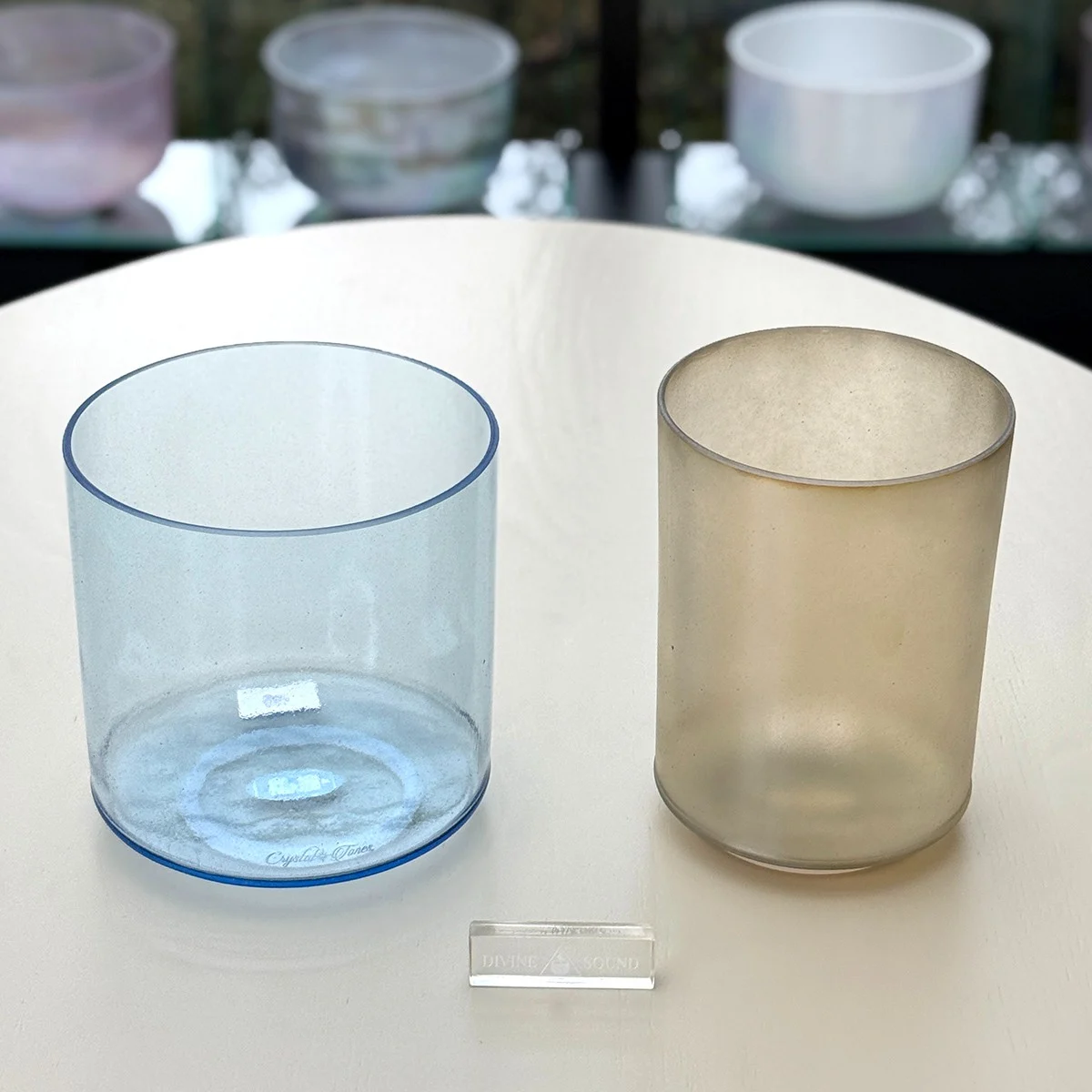
Both matter. As a general rule, larger bowls tend to produce lower tones, while smaller bowls tend to produce higher tones; however, size alone does not determine pitch. The bowl’s thickness, shape, and individual construction also influence its frequency, resonance, and depth of sound. In some cases, a thinner bowl may produce a surprisingly deep tone.
When building a harmonic set, we consider both the notes and the physical characteristics of each bowl to ensure the collection plays beautifully together. These relationships are often easiest to understand through an in-person or video demonstration, where you can hear and experience the differences firsthand.
There is no single correct way to build a singing bowl set. While seven-chakra and endocrine sets are popular frameworks, they represent only a small portion of what is possible. Harmonic combinations are virtually limitless, with different notes, octaves, sizes, frequencies, and alchemies creating entirely different musical and energetic experiences.
Many clients begin with three, four, or five bowls selected to create beautiful chords and harmonies, while others prefer a more expansive collection. I personally work beyond the traditional seven-chakra model and, for clients seeking a more complete foundational set, often recommend 8 bowls when budget allows for a more “complete experience”.
Ultimately, the best set is not determined by a formula. It should be harmonically cohesive, purposeful, and personally resonant with you.
We look beyond the individual notes and consider how the entire set functions as a musical composition. Octave, interval, frequency, bowl size, and resonance all influence how the bowls interact. A thoughtfully curated set incorporates variation in pitch and octave to create greater depth, dimension, and harmonic range.
A harmonic set isn’t simply several bowls that sound pleasant together — it’s a deliberate combination of notes, octaves, and alchemies, chosen to work as a single instrument with many voices. That process of matching, not the number of bowls, is what makes a set truly harmonic.

